
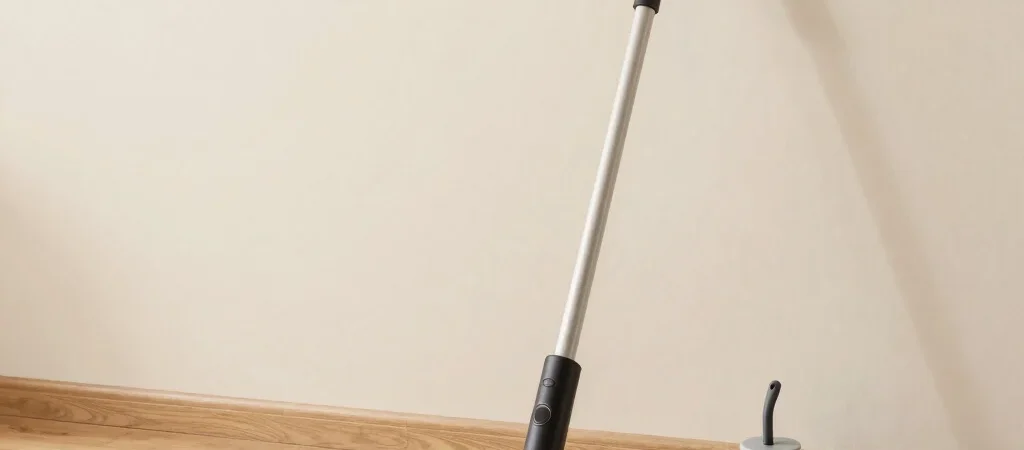
A vacuum has to work in the home you have, not just on the clean stretch of flooring in a demonstration. A low-pile rug, a doorway threshold, and a staircase each change what feels practical from one room to the next. Before comparing features, note what your floors are made of and where crumbs and dust tend to collect.
Map The Tricky Spots
Walk the route you usually clean and notice the obstacles: rug edges, narrow gaps beside furniture, cords, and changes between flooring surfaces. If you have stairs, think about whether you want to carry the vacuum or use a separate lighter tool there. For a robot vacuum, measure tighter passages and consider whether loose cables or objects will need to be moved before a cleaning run.
Compare The Upkeep
A vacuum’s ongoing chores can matter as much as its advertised features. Check how to empty the bin, clean or replace filters, and remove hair from the brush roll, then consider whether those tasks fit your household’s routine. For a robot model, look into how its dust container and brushes are maintained; for an upright or stick model, check storage space and how easy it is to reach the parts that need cleaning.
Make A Room-By-Room Choice
If your home has several floor types, look for clear guidance on which settings or attachments are intended for each surface rather than relying on a broad claim that one tool does everything. A robot, stick, canister, or upright vacuum can each make sense in different layouts, but no format removes the need to check maintenance and access. Some Mimoa links may earn a commission; I share what to consider before choosing so the recommendation is useful even if you keep comparing.

